

Best Zone 1 Postcodes for Short-Let Income in London 2026

Seventeen households compete for every advertised rental property in the capital. This makes identifying the best London postcodes for short-let income essential to maximise returns. London rental yields average around 4.3%, but Zone 1's premium locations offer much higher income potential through short-term lettings. This piece explores the best Zone 1 postcodes for short lets and analyses income calculations across different postcodes for London England. We'll get into regulatory requirements and compare short-let property management London options against guaranteed rent London landlords to help you maximise your investment returns.

Table of Contents

Why Zone 1 London Commands Premium Short-Let Rates

The Zone 1 for Short-Let Income London
Central London's geographical positioning creates unique advantages that translate directly into rental income. Properties in Zone 1 postcodes sit within walking distance of major attractions, business districts and transport hubs. Guests who drive short-let demand care about this accessibility.
Business travellers attending meetings in the City, Canary Wharf or Westminster find Zone 1 properties reduce commute times and transport costs. Tourists visiting the British Museum, West End theatres or South Bank cultural venues want locations that let them maximise their time learning rather than travelling. Professionals on corporate relocations and project-based assignments value immediate access to London's financial and commercial centres.
Zone 1 postcodes for London England have dense infrastructure. That's another advantage. Multiple Underground lines intersect within minutes of most properties and connect guests to every corner of the capital. Transport accessibility becomes valuable especially during major events and peak seasons when demand concentrations drive nightly rates upward.
Different Zone 1 neighbourhoods attract distinct guest profiles throughout the year. Mayfair draws international collectors during auction seasons at Christie's and Sotheby's, whilst Covent Garden maintains consistent bookings from theatre-goers. Bloomsbury appeals to academics and families visiting nearby museums. Westminster captures diplomatic and government-related stays. This diversity creates multiple revenue opportunities throughout the calendar.
Income Potential Compared to Long-Term Lets

The financial difference between traditional assured shorthold tenancies and short-term lettings is substantial. A well-positioned one-bedroom flat in zones 1 to 3 generates £1,800 to £2,200 monthly on a traditional AST. That same property, managed as a short-let, can produce £3,000 to £4,500 monthly during peak periods and £2,400 to £3,200 during quieter months. This represents a possible 40 to 80% uplift in gross revenue.
Short-term rentals can command up to 30% more income than traditional long-term leases, especially in high-demand areas during peak seasons. To cite an instance, a one-bedroom apartment in central Cambridge earns £1,400 monthly on a long-term lease, whereas as a short-term let it generates over £2,700 monthly with a 75% occupancy rate.
The premium pricing stems from the convenience and flexibility guests receive. Furnished properties with hotel-quality amenities command higher nightly rates than unfurnished long-term rentals. Guests pay for immediate availability, flexible booking periods and maintained spaces that require no setup time.
2026 Market Outlook for Central London

Three converging factors strengthen the 2026 outlook for Zone 1 short-lets. Tourism recovery drives the first element. London welcomed over 21 million international visitors in 2025, with 2026 projections trending even stronger as major events and conferences fill the calendar. These visitors spent more than 5 million guest nights in short-term lets across London in 2023 and demonstrated sustained demand for alternatives to traditional hotels.
Corporate stays represent the second growth driver. Hybrid working patterns have created booming demand for furnished short-term accommodation from relocating professionals, project-based workers and companies housing teams temporarily. This corporate segment maintains occupancy during quieter periods and smooths seasonal fluctuations.
Supply constraints form the third factor. Tighter regulation has reduced the number of short-term listings operating legally in London. Those properties that remain compliant and well-managed command stronger rates and higher occupancy. Around 3% of London's housing stock serves short-term residents currently, but increased focus on licenced and verified listings will concentrate demand among compliant operators.
Top Performing Postcodes for London England Short Lets
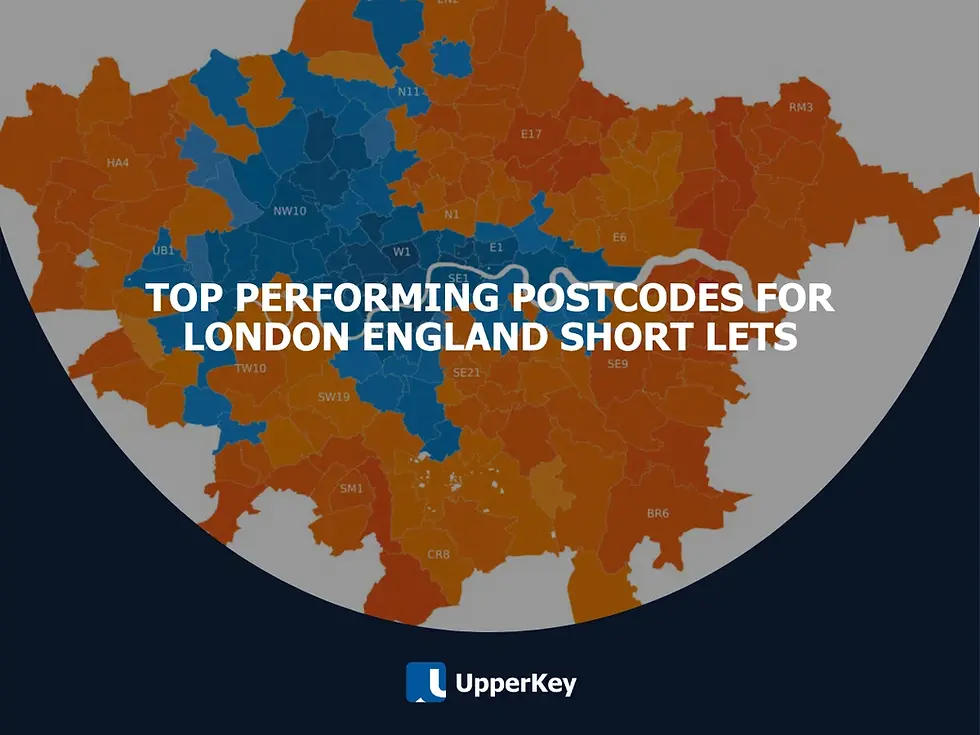
Five Zone 1 postcodes outperform others for short-let income year after year. Each draws distinct guest profiles that sustain demand throughout the year.
WC1: Bloomsbury's Academic and Tourist Appeal

Bloomsbury attracts academics, researchers and families visiting its world-class institutions in a steady stream. University College London and SOAS University anchor the neighbourhood's intellectual character. The British Museum draws millions of visitors each year who seek accommodation within walking distance of its galleries.
The area's literary heritage adds cultural appeal. Virginia Woolf and the Bloomsbury Group left an enduring legacy visible in independent bookshops and cultural events throughout the district. Russell Square and other garden squares provide green retreats that distinguish WC1 from busier West End postcodes.
Average monthly room rents reach £1,243 in WC1. This reflects strong demand from both short-term guests and traditional tenants. Properties here command premium rates during university term times and museum exhibition seasons.
SW1: Westminster's Corporate and Diplomatic Demand

Westminster houses over 16,000 short-term lets and generates annual income of around £450 million. This represents nearly 18% of total private rental income across the borough. Corporate travellers attending government meetings and diplomatic functions create weekday demand that stays strong. Tourists visiting Buckingham Palace and Westminster Abbey fill weekend bookings.
The concentration of international embassies and government departments means diplomatic staff need short-term accommodation during relocations and visiting delegations. This corporate and diplomatic mix sustains occupancy rates even during quieter periods.
EC1: Clerkenwell's Business Travel Market

Clerkenwell hosts more creative businesses and architects per square mile than anywhere else globally. This density of design studios, publishers and media companies creates strong demand from business travellers attending client meetings and project collaborations.
The area's proximity to Liverpool Street and Canary Wharf positions it well for financial sector professionals requiring City accommodation. Former industrial buildings converted to loft-style apartments appeal to corporate guests expecting modern amenities and workspace functionality.
SE1: South Bank's Entertainment District Premium

South Bank's cultural venues drive visitor demand throughout the year that stays strong. The National Theatre, Tate Modern and London Eye create a concentration of attractions unmatched elsewhere in central London. Developments like Southbank Tower offer luxury short-let properties with panoramic views across the Thames.
The area's riverside location and proximity to Waterloo Station make it attractive for guests combining business meetings with cultural activities. Properties here benefit from both leisure and corporate bookings across all seasons.
WC2: Covent Garden's Year-Round Theatre Crowd

Covent Garden represents one of the best Zone 1 postcodes for short lets and generates annual revenue of around £95,545 per listing with 82% occupancy rates and average daily rates around £316. Average monthly room rents reach £1,651, the second-highest in London after South Kensington.
West End theatres including the National Theatre, Palace Theatre and Aldwych Theatre create constant demand from theatre-goers and entertainment visitors. Leicester Square's cinemas and film premieres add another visitor draw. The Covent Garden piazza's shops, street performers and restaurants maintain footfall throughout daylight hours. Nearby attractions like Trafalgar Square and the National Gallery extend the area's tourist appeal.
Calculating Your Short-Let Income Potential

You need to move beyond gross revenue figures to get into nightly rates, occupancy patterns, and the costs that determine what you keep. Understanding actual returns requires this.
Average Nightly Rates by Postcode
London's average daily rate sits at £191 across all areas, though Zone 1 properties command substantially higher rates. The median property charges around £150 per night, and strong performers in top quartile achieve £238 or more nightly. Premium properties in the best London postcodes for short-let income exceed £370 per night.
Property size affects pricing substantially. A one-bedroom apartment in Vauxhall averages £160 nightly and generates £3,840 monthly from accommodation at typical occupancy. A two-bedroom property near Tower Bridge commands £200 per night and produces £4,800 monthly. Larger properties in premium locations achieve much more. To name just one example, a three-bedroom townhouse in Angel, Islington reaches £450 nightly and delivers £10,800 monthly accommodation revenue.
Central London locations see the strongest pricing. Average nightly prices hover around £200 depending on season, and summer months command 20-30% premiums over pre-2020 levels.
Properties in Mayfair, Westminster and Kensington experienced the most noticeable price growth in 2025. Rates increased while demand remained stable.
Occupancy Rates in Zone 1 Areas
The typical short-term let in London that's listed actively achieves 62 nights occupancy annually. But professionally managed properties in the best Zone 1 postcodes for short lets—this is a big deal as it means that they go well beyond this baseline. Properties with professional management average 77% occupancy, which translates to about 24 nights monthly.
Strong performing properties maintain 74% or higher occupancy, and top-tier listings achieve 87% or more. Median properties settle around 48% occupancy. Well-managed Zone 1 properties maintain high occupancy with elevated rates during peak summer months, and corporate guests fill quieter periods.
Annual Gross Yields for Short-Let Properties
We can calculate realistic yields based on the occupancy and rate data. That one-bedroom Vauxhall property that generates £3,840 monthly produces £2,331 after platform and management fees. This delivers about £27,972 net of commissions annually.
The two-bedroom Tower Bridge apartment yields £2,926 monthly after fees and totals £35,112 annually. The three-bedroom Angel townhouse produces £6,646 monthly net and reaches £79,752 yearly. These figures demonstrate the 40-80% income uplift short-lets achieve over traditional ASTs in similar postcodes for London England.
Costs That Affect Net Returns
Platform fees consume about 18% of revenue with VAT. Airbnb, Booking.com and VRBO all charge within this range for software-connected hosts. Management fees run 15% for listing and communications only, up to 25% for full-service short-let property management London. Verify whether quoted percentages include VAT when you compare providers.
Additional costs include utilities (electricity, gas, internet), cleaning between stays, laundry and linen services, amenities restocking, and monthly property inspections. Short-term rental landlord insurance adds another expense beyond standard buy-to-let cover. Professional photography and interior staging represent upfront investments that boost nightly rates and occupancy directly.
Regulations and Compliance for Zone 1 Short Lets

Short-let operations in the best Zone 1 postcodes require you to navigate three regulatory layers that affect how you generate income legally.
90-Day Rule and Planning Permission
Section 25 of the Deregulation Act 2015 places a strict annual cap on London properties. You can let your entire property for a maximum of 90 nights per calendar year without planning permission. This limit applies to the property itself, not per platform. Listing on Airbnb, Booking.com and Vrbo at the same time means the combined nights across all platforms cannot exceed 90.
You face substantial penalties when you exceed this threshold. Enforcement notices can reach fines of £20,000. Westminster, Camden and Tower Hamlets pursue breaches actively, while other boroughs operate more reactively. Platforms auto-block London listings once they hit 90 days increasingly, and this removes how you accept bookings until the calendar year resets.
You need planning permission for change of use if you want to operate beyond 90 days. This requires a full planning application to your local authority and shifts your property from Class C3 (residential dwelling) to a commercial short-term let classification. Approval rates vary substantially by borough. Westminster, Camden and Kensington resist residential housing loss to short-term letting actively.
Local Authority Licencing Requirements
Enforcement intensity varies across postcodes for London England. Westminster City Council and Tower Hamlets demonstrate active monitoring and issue planning enforcement notices regularly. Other Zone 1 boroughs may investigate only after neighbour complaints or platform reports.
Building Safety and Fire Regulations
Fire safety requirements go beyond standard residential lettings because paying guests sleep in the property. The Regulatory Reform (Fire Safety) Order 2005 treats short-lets as commercial operations that require complete fire risk assessments.
Platforms require hosts to upload valid fire safety certification before listing since 1 April 2025. Airbnb, Booking.com and Vrbo implemented this requirement in March 2025, with annual renewal mandatory.
Your property needs interlinked smoke and heat alarms in all bedrooms, living rooms and escape routes. You must test them between each guest changeover. Emergency lighting must function in bedrooms and along escape routes, with annual professional checks. Fire doors require 30-minute fire resistance on protected escape routes.
Gas Safe registered engineers must renew gas safety certificates annually. Electrical Installation Condition Reports require updates every five years. Fire and Rescue Services can inspect your property without notice. Non-compliance carries unlimited fines and potential prosecution. Serious cases may result in imprisonment.
Choosing Between Self-Management and Professional Services

You've secured compliance for your Zone 1 property. Now the management decision determines whether short-let income remains theoretical or becomes sustainable reality. The choice between handling operations yourself or engaging short-let property management London companies hinges on time availability, operational consistency, and actual net profit after accounting for your effort.
DIY Short-Let Management Pros and Cons
Self-management appears cost-free until you calculate time spent on guest messages, pricing updates, cleaner coordination, and maintenance problems. Landlords handle listing optimisation, responses to questions, check-in coordination, cleaning management, maintenance contractor access, review monitoring, and income tracking. This workload averages 9 hours weekly for marketing and bookings alone. Property inspections, repairs, and guest communications add to that.
You retain complete control over pricing, guest selection, and property decisions. No management percentage reduces your revenue, and you develop direct market knowledge. But slower response times can reduce booking conversion. Static pricing misses demand windows that professional operators capture through constant monitoring.
Short-Let Property Management London Companies
Professional operators handle revenue management, calendar synchronisation, guest communication throughout stays, cleaning coordination, maintenance escalation, and performance reporting. Companies like A Place Like Home offer luxury property management across Chelsea, Mayfair, and Kensington with over 30 years' experience. Services include professional photography, listing optimisation across 300+ platforms, pricing algorithms that adjust in real time, 24/7 guest support, and cleaning partnerships.
Management fees run 15-25% depending on service scope. Full-service operators justify costs through improved occupancy rates, faster pricing reactions to demand changes, and operational consistency when you're unavailable.
Guaranteed Rent Schemes vs. Short-Let Income
Guaranteed rent London landlords receive fixed monthly payments whatever the occupancy. Payments sit at 80-90% of market rent. A property achieving £1,800 monthly market rent gets £1,440-£1,620 through guaranteed schemes with zero void risk, no arrears exposure, and complete management included.
Traditional letting with self-managed short-lets provides higher gross income but carries void periods, guest problems, and operational demands. A five-year comparison shows guaranteed rent at 85% market rate can deliver £33,256 more net income than traditional letting. This accounts for voids, arrears, compliance costs, and landlord time.
Technology and Automation Tools
Automation reduces manual workload to a great extent. Channel managers synchronise availability across all booking platforms and prevent double bookings that can get pricey. Property management systems automate guest messaging from booking confirmation through checkout, coordinate cleaning schedules, and handle payment collection including deposits and refunds.
Pricing tools adjust rates based on demand, seasonality, and local events. Smart locks enable contactless check-in. Automated cleaning management sends task assignments and completion tracking to service teams. Integration between your PMS and accounting software eliminates manual invoice entry.
Key Takeaways
Zone 1 London short-lets can deliver 40-80% higher income than traditional lettings, but success requires strategic postcode selection and regulatory compliance.
• WC2 Covent Garden leads profitability with £95,545 annual revenue per listing, 82% occupancy rates, and £316 average daily rates from theatre crowds.
• The 90-day annual limit is strictly enforced - exceeding this cap without planning permission triggers fines up to £20,000 in Westminster and Camden.
• Professional management justifies 15-25% fees through higher occupancy rates, dynamic pricing, and 24/7 guest support that self-managed properties struggle to match.
• Fire safety compliance became mandatory in April 2025 - platforms now require valid certification uploads before listing, with annual renewals essential.
• Calculate true returns carefully - whilst gross yields appear attractive, platform fees (18%), management costs, and operational expenses significantly impact net profits.
The key to maximising Zone 1 short-let income lies in choosing compliant properties in high-demand postcodes like WC2, SW1, and SE1, then deciding whether professional management or guaranteed rent schemes better suit your investment goals and time availability.

FAQs
Which London postcode offers the highest rental yields for short-term lets?
WC2, especially Covent Garden, is one of the strongest performers for short-let income in central London.
What is the 90-day rule for short-term lettings in London?
You can usually let an entire London property for up to 90 nights a year without planning permission.
How much more income can short-term lets generate compared to traditional long-term rentals?
Short lets can earn much more than long-term rentals, but income is less predictable.
Should I manage my short-term rental property myself or use a professional management company?
Self-management saves fees, but professional management saves time and can improve occupancy and pricing.
What fire safety requirements apply to short-term lets in London?
Short lets must meet fire safety rules, including alarms, certificates, and safe escape routes.


